Studio in focus № 01
LucasArts
From a Skywalker Ranch software wing into the company that spent a decade reinventing what the adventure game could carry — comedy, noir, archaeology, melancholy — using a scripting tool called SCUMM and a house style that treated point-and-click as a serious medium.
- Founded
- 1982 San Rafael, CA
- Defining engine
- SCUMM 1987 — 1998
- House genre
- Graphic Adventure
- In the archive
- 06 pieces
§ A short history
The SCUMM years, and what came after
Lucasfilm Games opened in 1982 as the software arm of George Lucas's empire, a tiny team tucked behind the special-effects houses. Their first hits were oddities — Ballblazer, Rescue on Fractalus! — designed at the same address as Empire and Raiders, but operating on a different planet entirely.
The turn arrived with Ron Gilbert's SCUMM in 1987 — the scripting language that powered Maniac Mansion and every great LucasArts adventure that followed. Verb menus, no death screens, no dead ends: an editorial stance disguised as a tool. Through the early 90s the studio shipped Monkey Island, Indiana Jones and the Fate of Atlantis, Day of the Tentacle, Sam & Max, Full Throttle, The Dig — six adventures in five years, each one a different argument for the form.
Grim Fandango (1998) and Escape from Monkey Island (2000) were the last SCUMM-lineage releases; by then the market had already turned. The Star Wars licence kept the lights on into the next decade — Rogue Squadron, Knights of the Old Republic at BioWare — until Disney's 2012 acquisition closed the studio for good in April 2013. Thirty-one years, one of the densest design archives the medium has.
§ The archive
06 pieces, in order
Every Cartridge Collective essay on a LucasArts (or Lucasfilm Games) title, in chronological order by release.
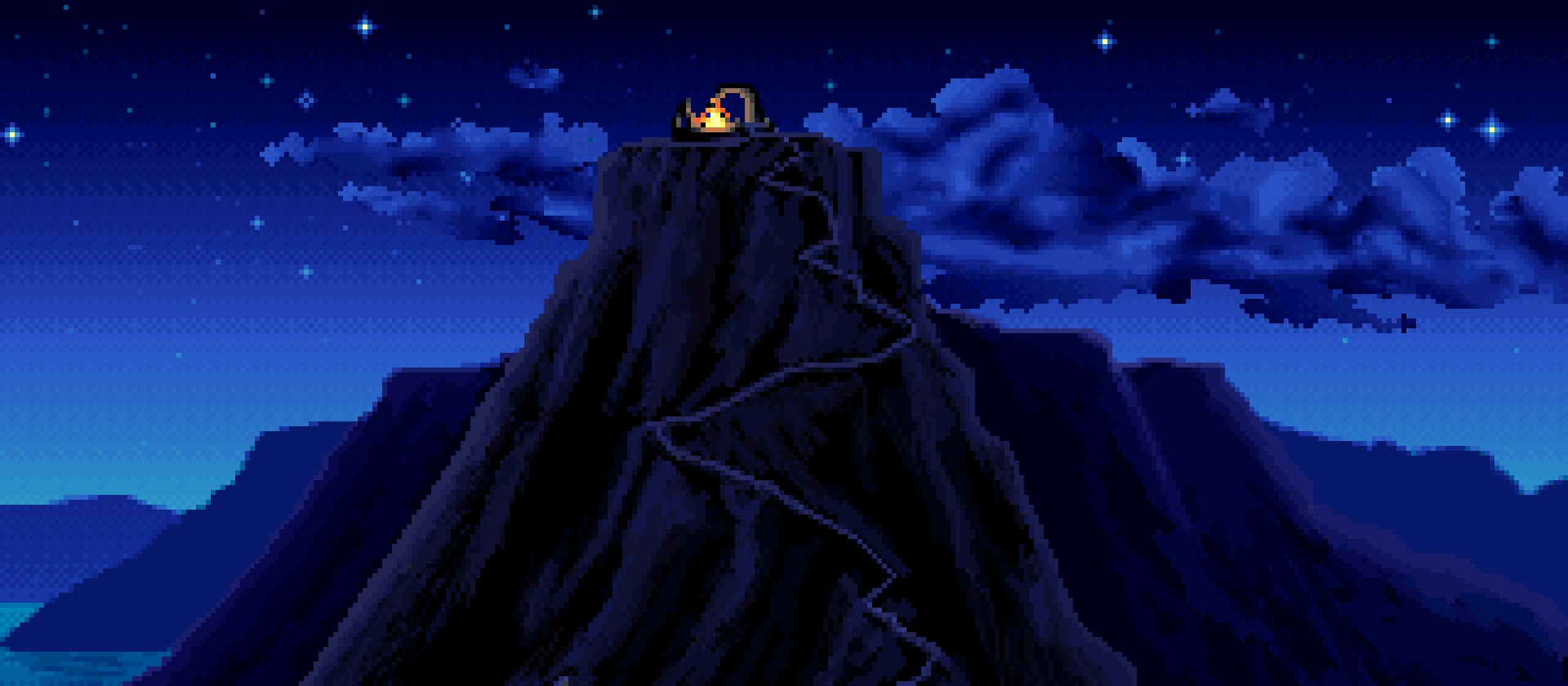
- The Secret of Monkey Island Ron Gilbert publishes Why Adventure Games Suck, then designs the game that answers it.
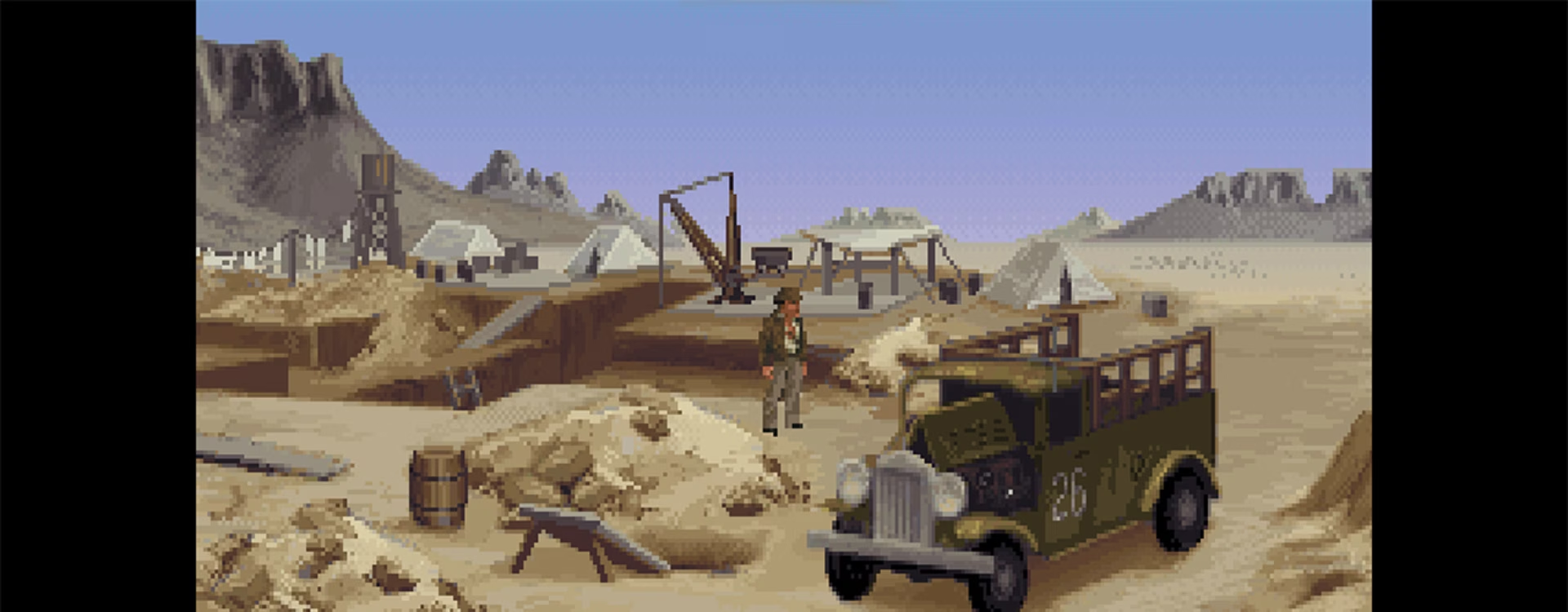
- Indiana Jones and the Fate of Atlantis Two designers write the fourth Indy film themselves, out of Plato and a Time-Life library find.
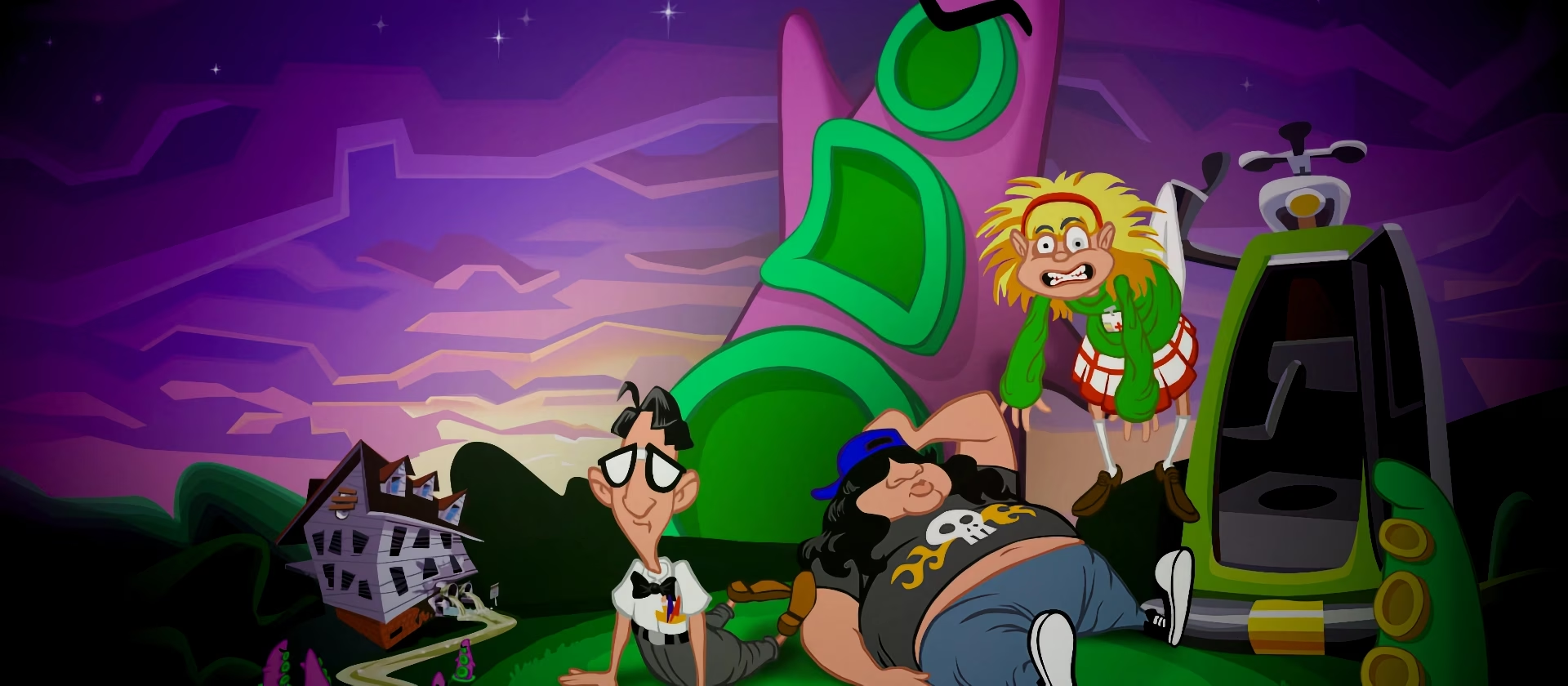
- Day of the Tentacle A three-century puzzle box in one house — and the most generous comic the studio ever drew.
- Zombies Ate My Neighbors A shooter that scores you on the lives you save, not the ones you take.
- The Curse of Monkey Island Hand-animated, gag-perfect, market-ignored — the last SCUMM adventure, and the finest.
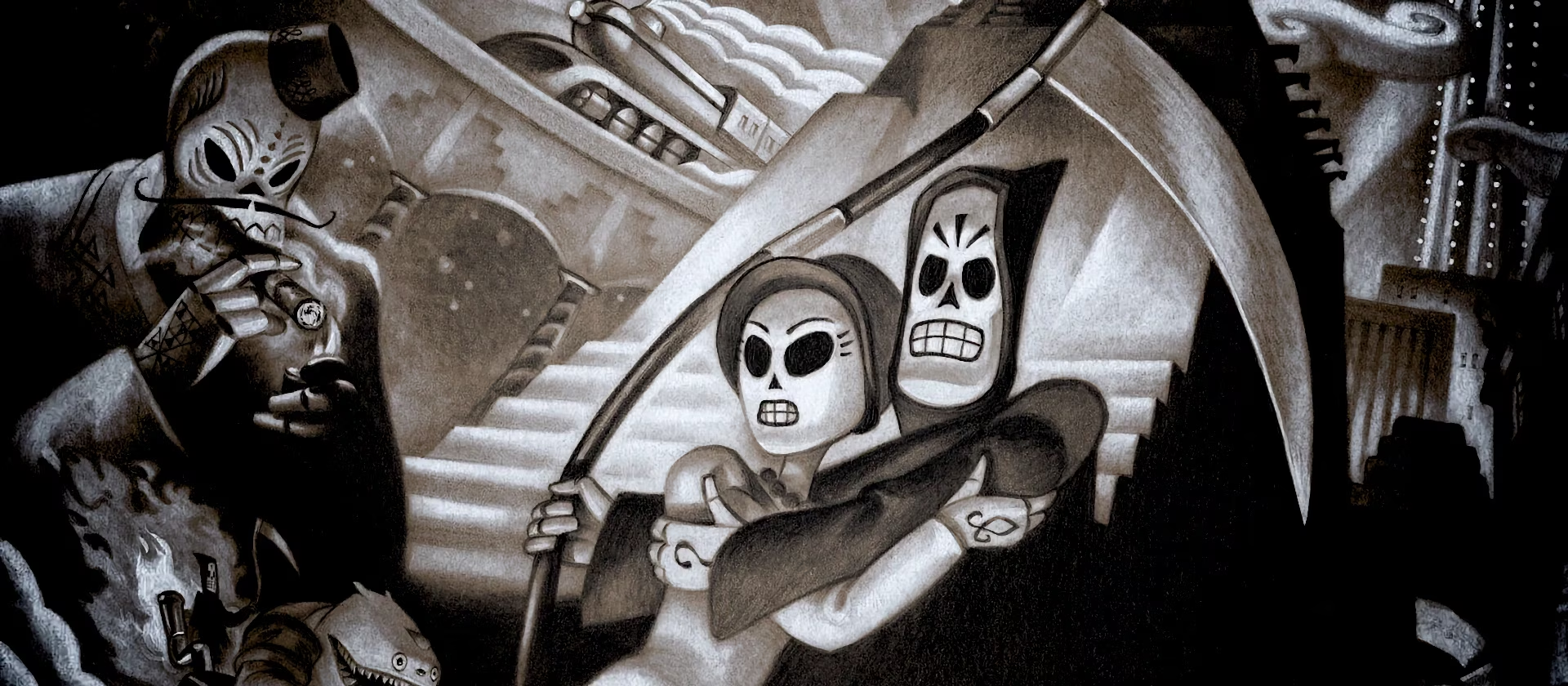
- Grim Fandango Tim Schafer's Aztec-afterlife noir lands critically adored and commercially invisible.
§ Reading order
Pick where to start


§ Ephemera
The Adventurer, 1990 — 1996
LucasArts' in-house magazine. Game previews, designer interviews, deeply earnest cartoons, mail-order shirts. Fourteen issues now mirrored at the Internet Archive — each cover opens a flipbook reader in a new tab.
Source: Internet Archive — The Adventurer magazine (complete). Hosted externally; we link, we don't host.