The cabinet voice was still the brand. It was no longer the future.
By 1994, the rest of the industry was looking past the sprite. Sega were polygons, Sony were polygons, Nintendo were trying to figure out what came after the Super Famicom. Konami’s arcade boards still ran the same custom silicon; Konami’s home conversions still painted the same impossibly clean frames. The four years in Volume I were the run when the house style was sixteen-bit. The three years in this Volume are the run after sixteen-bit stopped being the medium most people were thinking about.
The studio kept drawing anyway.
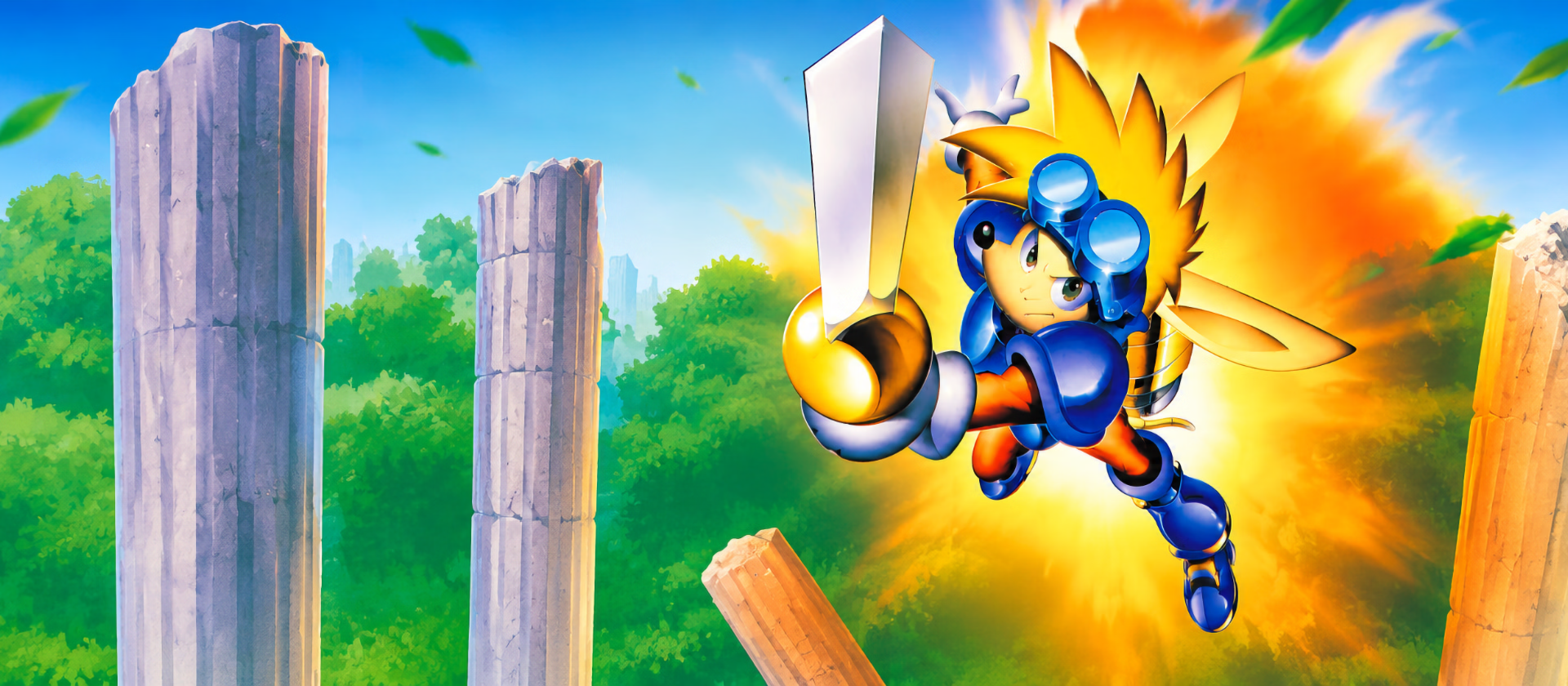
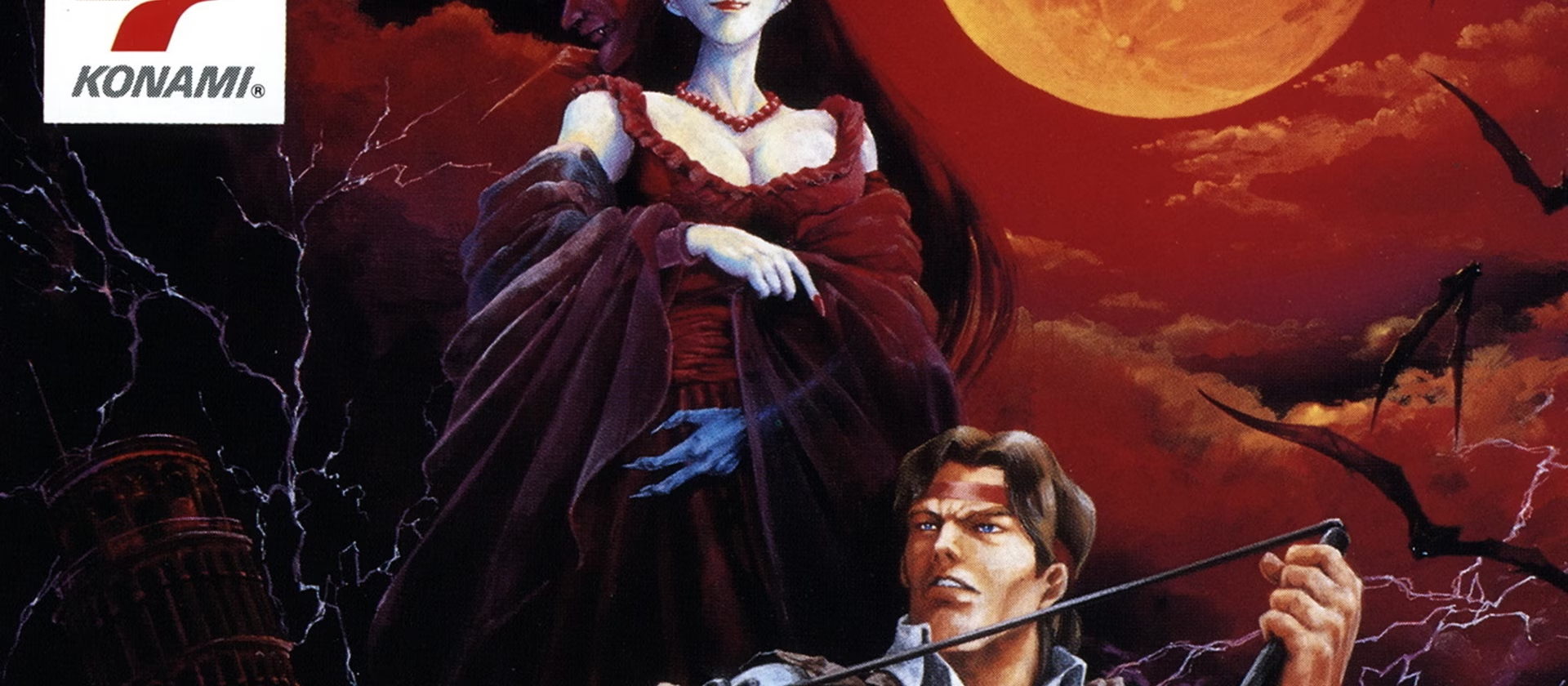
The Mega Drive carries the volume’s strangest writing. Castlevania: Bloodlines is the post-arcade Castlevania nobody asked for and the team in Kobe wanted to make; Contra: Hard Corps is the four-character branching-path Contra the franchise still hasn’t equalled; Sparkster is the Mega Drive Konami platformer that the SNES port couldn’t quite reach. Faster, stranger, harsher around the edges — the Mega Drive’s Konami was a different studio operating out of the same building, and this is the volume that hears it best.
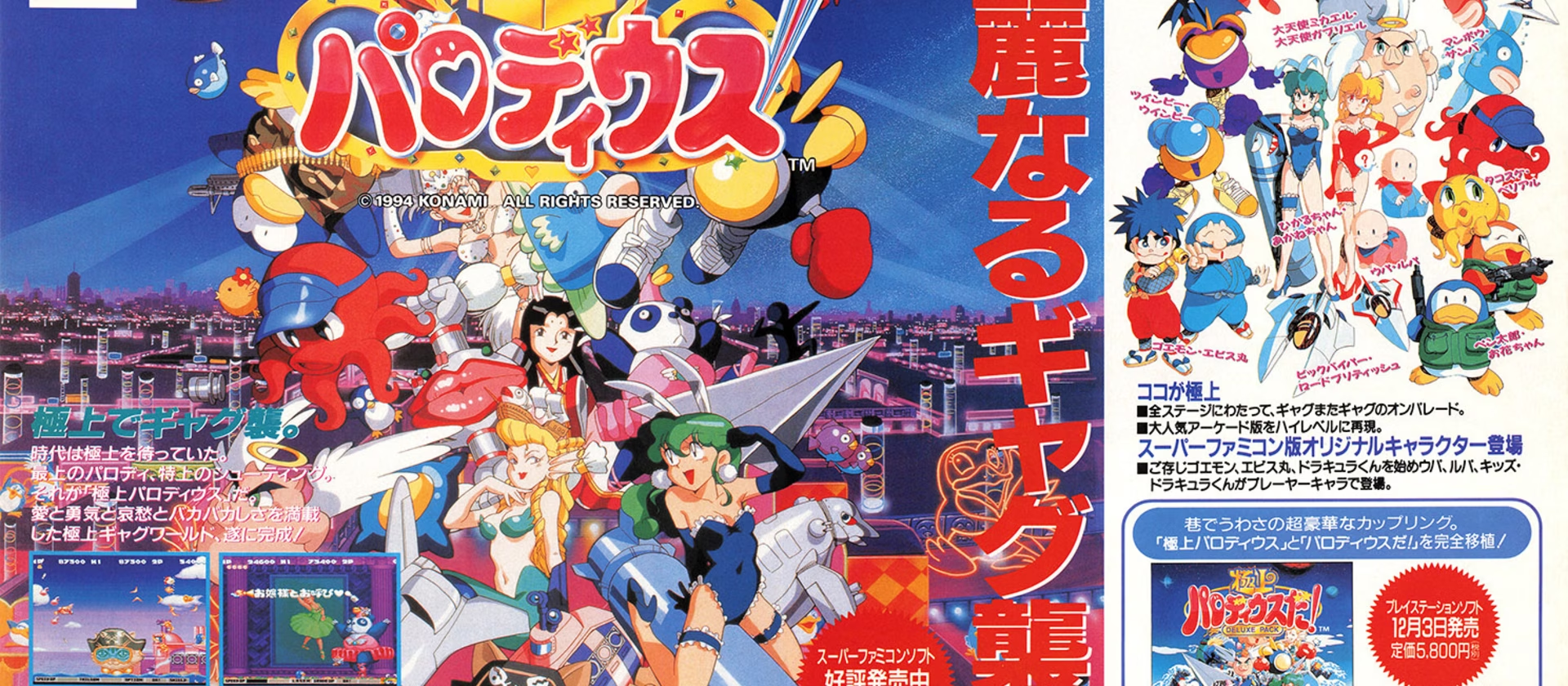
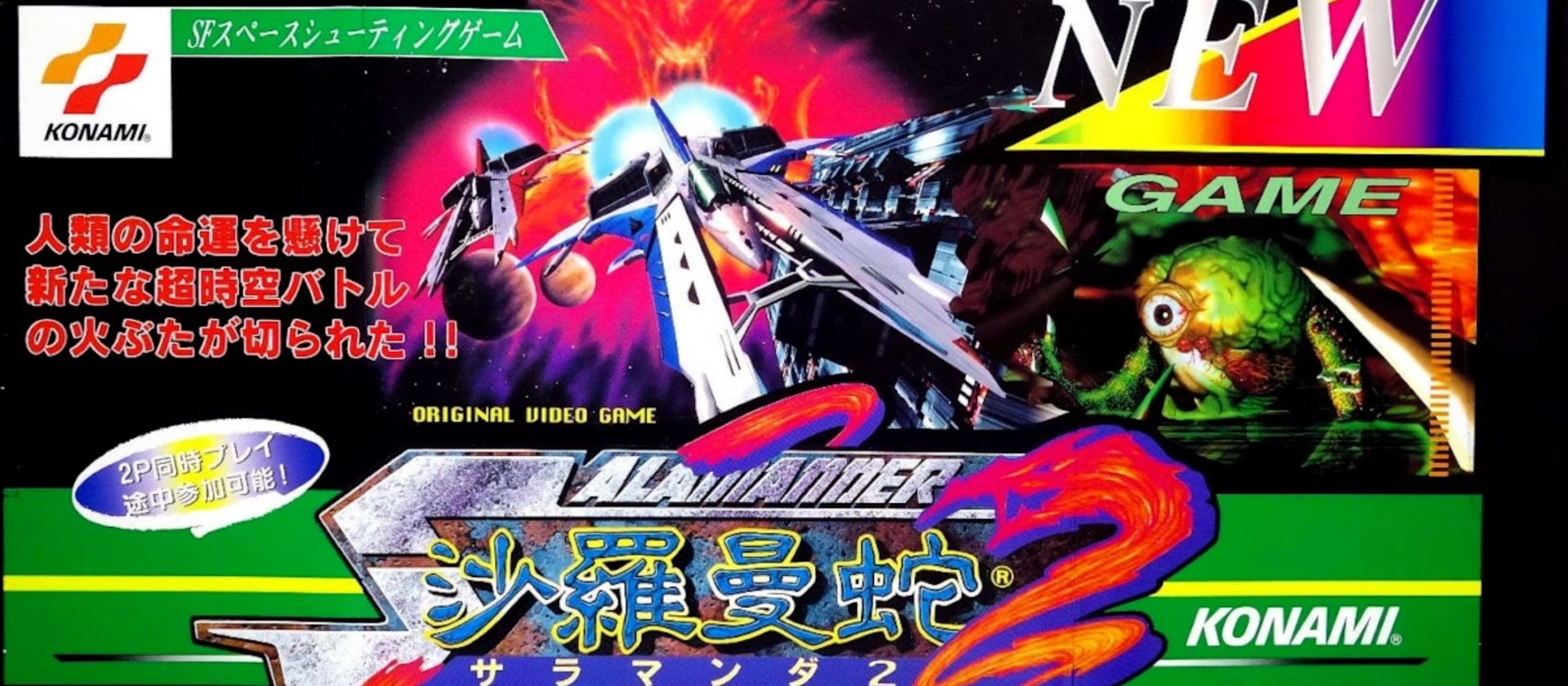
The cabinet keeps running. Gokujō Parodius (1994), Crypt Killer (1995), TwinBee Yahho (1995), Salamander 2 (1996) — four arcade titles across three years from a coin-op division that everyone else’s accountants had already declared dead. The light-gun horror, the cute-em-up valedictory, the Gradius-spinoff finale: late-arcade Konami is a smaller archive than the cabinet decade that preceded it, but the percentage of those releases that still play is implausibly high.
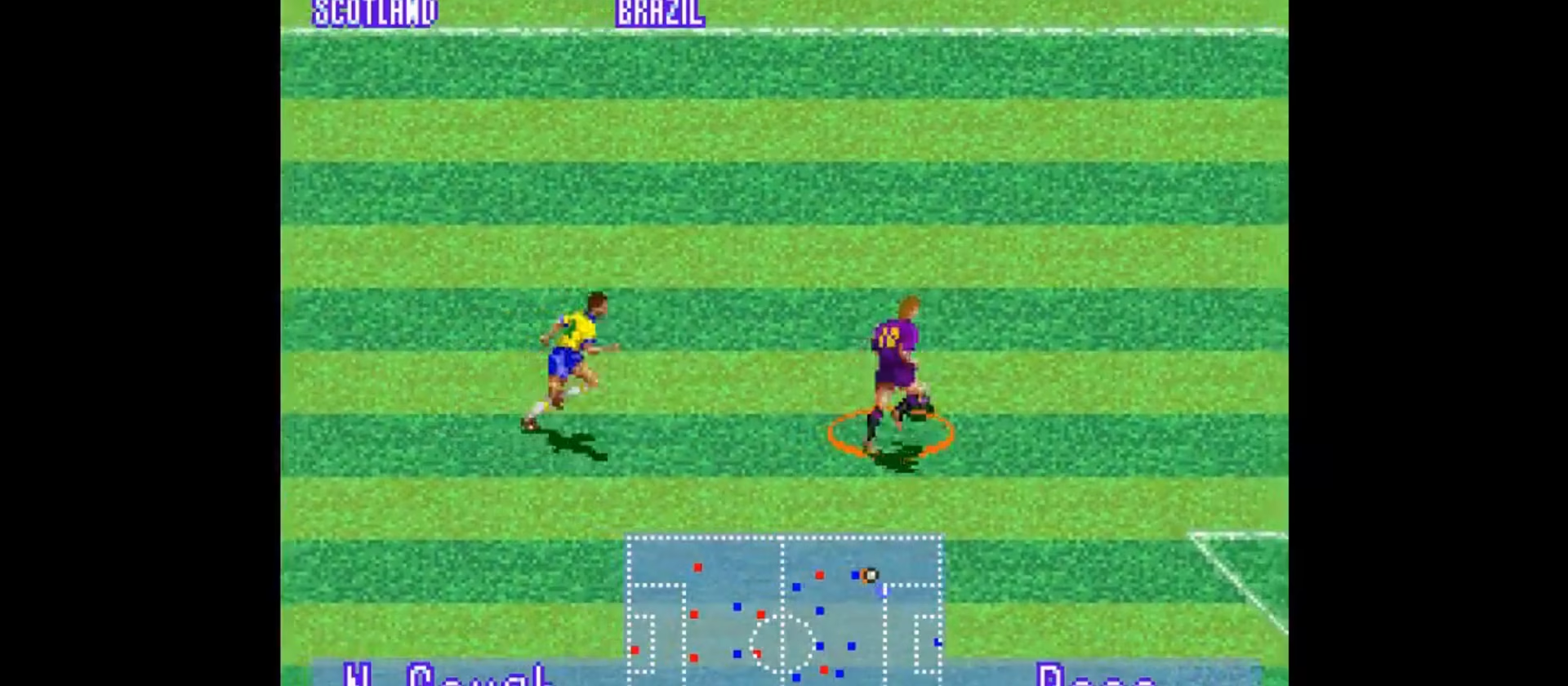
International Superstar Soccer Deluxe (1995) is the volume’s outlier and the studio’s coming-out as a franchise publisher rather than a cabinet operation — Konami’s first sport game that wasn’t an arcade port, and the studio’s first hint that the next decade’s revenue lay in sequels rather than coin slots.
The next four years — Symphony of the Night, Metal Gear Solid, Silent Hill, Beatmania, Suikoden II — belong to Volume III. This Volume is the late cabinet, the Mega Drive’s Konami, and the three years it took the franchise era to assemble itself behind the curtain.