Before Akira Kitamura addressed his team, he laid the postcards on the table. They came from children — hand-printed addresses, stamps occasionally crooked — arriving in small batches at Capcom’s Osaka office after the first Rockman shipped. The game had sold respectably, if not spectacularly. The company had already decided to move on. Kitamura’s team of six had been told, clearly if not cruelly, that the series was over and their energy belonged on other projects.
And yet here were the letters. Children writing about Mega Man’s next fight, about robot masters who hadn’t appeared yet, about whether the blue bomber would return. Kitamura collected them. When the six people building the sequel felt the weight of long days stacking up against a company that had officially stopped believing in them, he read the letters aloud. “I got all the postcards sent to us by children and read them out to the team,” he said years later. “It was a moment when we felt that we were doing a very important job.”
What those children got, released in Japan on Christmas Eve 1988, would eventually be called the best NES game ever made — not in Japan, where Famitsu scored it a moderate twenty-eight out of forty, but in America, where Nintendo Power put it on the cover of Issue 7 and then at the top of every reader poll they ran for years afterward. The game the West decided was the standard against which NES design should be measured was built in secret, without authorization, by people reading children’s letters to stay motivated while their company’s attention was elsewhere.
The Sequel Nobody Commissioned
Capcom’s decision to shelve the Mega Man franchise after the first game was defensible. The 1987 Famicom release had sold respectably but not spectacularly, and the company’s focus remained on arcade development.
Kitamura appealed up the hierarchy and received qualified permission: the team could build Rockman 2, but only alongside their official work. No dedicated resources. No protected time. The sequel would be a second job.
The team built a complete game in the margins of workdays already full. They received no encouragement from management, so they made their own — six custom jumper suits, blue and white, bearing the Rockman 2 logo and the words “Staff Only” on the back. Years later, Kitamura would call this his best time at Capcom.
”We weren’t told to make [Mega Man 2] by the company, rather it was something I wanted to do.”
— Akira Kitamura
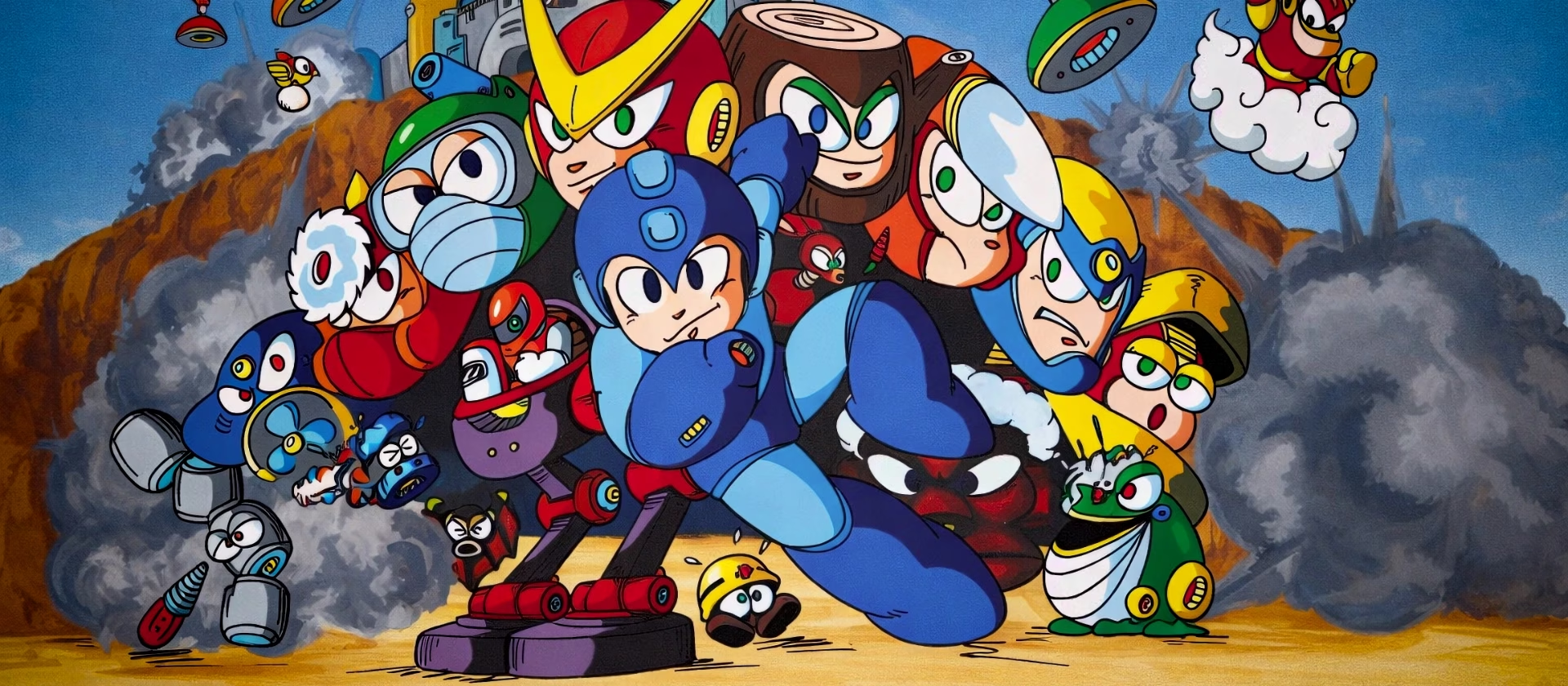
The misattribution that followed the game’s success is worth naming. For decades, Keiji Inafune was publicly described as Mega Man’s creator, a framing he did nothing to encourage. At the Tokyo Game Show in 2007, Inafune addressed it directly: “I’m often called the father of Mega Man, but actually, his design was already created when I joined Capcom.” Inafune’s contributions were real and significant — he designed and illustrated the character art that players saw on packaging and in cutscenes, including the swarming group illustration at the top of this page, and his visual work shaped the series for years afterward — but the design of the game, the levels, the system, the robots, was Kitamura’s. The face on the box was drawn by someone else. The reason the box exists at all was Kitamura refusing to let the franchise die.
Eight Is a System
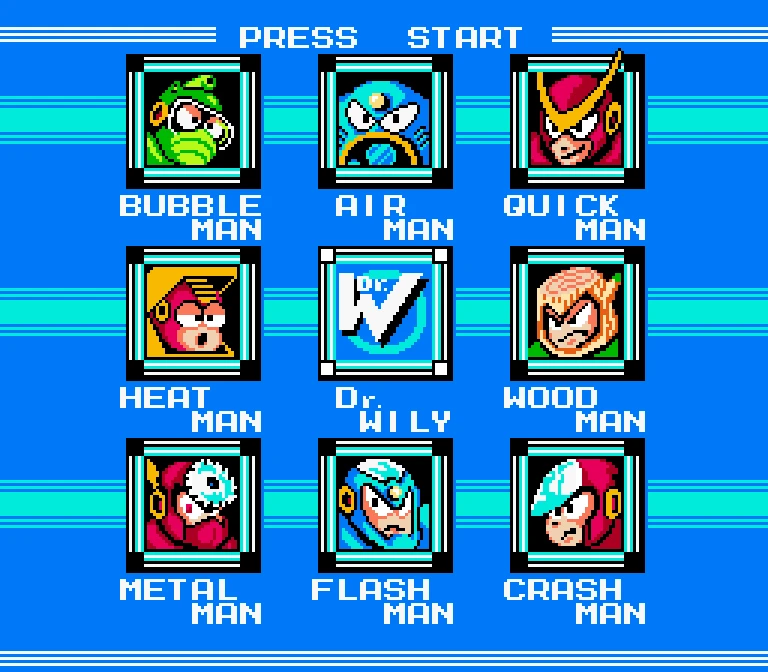
The stage select — eight robot masters arranged around Mega Man’s face. Order is the player’s weapon.
The first Rockman had six robot masters. The sequel gave you eight, plus a password system, energy tanks, and a Wily fortress that expanded across multiple stages. The larger cast was partly ambition and partly structural thinking: more bosses meant more weapon interactions to discover, more paths through the same set of challenges, more conversations to have after school about which order made it easiest.
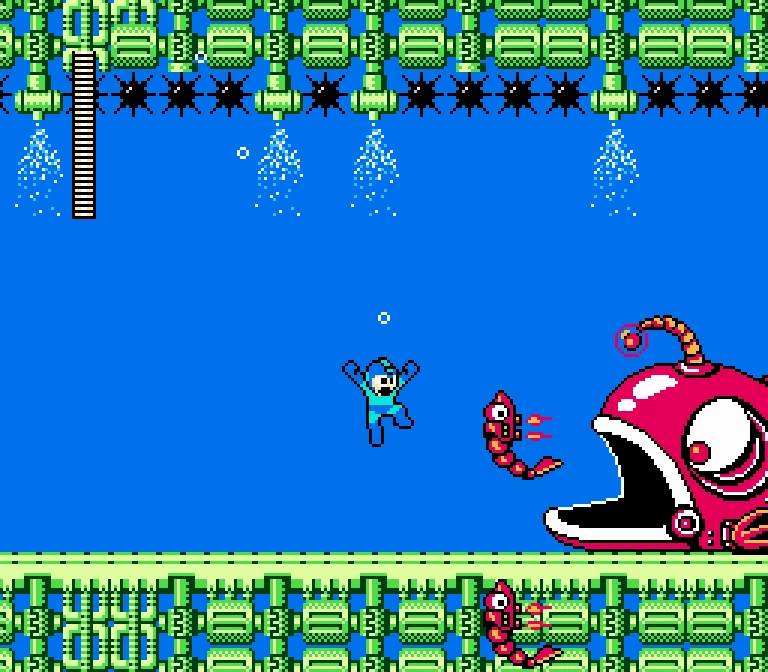
Bubble Man’s stage. Water physics change Mega Man’s jump height and drag on his shots — the level teaches you its own rules before the boss arrives to test them. Mega Man 2 · Capcom, 1988.
Kitamura’s design process began not with levels but with weapons. Each Robot Master’s power was conceived first — its effect on screen, its movement pattern, what it could unlock in unexpected contexts — and only then was a boss designed to embody it. Heat Man grants brief invincibility; his stage teaches you the tool before the boss tests you. Metal Man’s blade fires in eight directions and costs almost nothing to use — a “hidden trick” Kitamura intended to reward experimentation and humble players who missed it entirely. The design peaks when Metal Man falls in two hits of his own weapon.
Metal Man’s stage. Copper corridors give way to a pitch-black drop — Mega Man falls past the edges of the tileset toward the boss room, where Metal Man’s own blade will finish him in two hits. Mega Man 2 · Capcom, 1988.
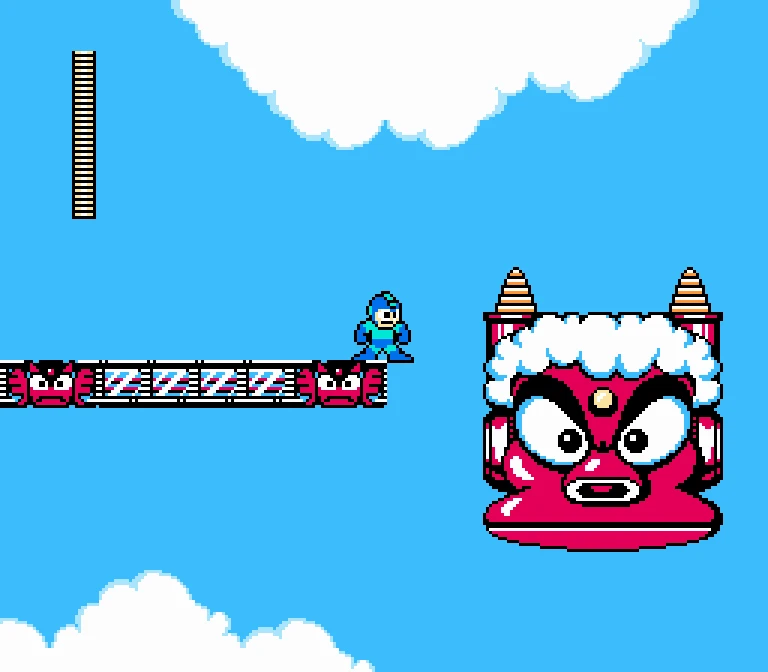
Air Man’s stage. Disappearing-block platforming over open sky — the weapon at the end sweeps clouds aside in wide arcs.
This weapon-first architecture is why the stages hold together as a system rather than a sequence. Quick Man’s level drops Mega Man into a corridor where horizontal beams of orange light cross the screen at machine-gun intervals, each one lethal on contact. The stage is punishing by design, but the design tells you exactly what to do: the weapon you’re trying to reach — Time Stopper — is the right tool for surviving the beams, and extra lives are planted in the passages for the players who’ll need them. Kitamura calculated his stages mathematically, measuring Mega Man’s walking speed against stage length, aiming to build something completable in roughly an hour. The difficulty is never random; it is legible, if you are willing to read it.
Every Constraint Left a Mark
Takashi Tateishi composed the Mega Man 2 soundtrack in approximately the same three to four months the team had to build the game, working on a Famicom chip with three audio channels plus noise. The hardware was limiting by Capcom’s usual arcade standards, and the ROM cartridge was tight enough that Tateishi ran out of space before he could write a dedicated theme for Dr. Wily’s second fortress stage. The piece you hear there is the same as the first — the Wily Castle theme, looped.
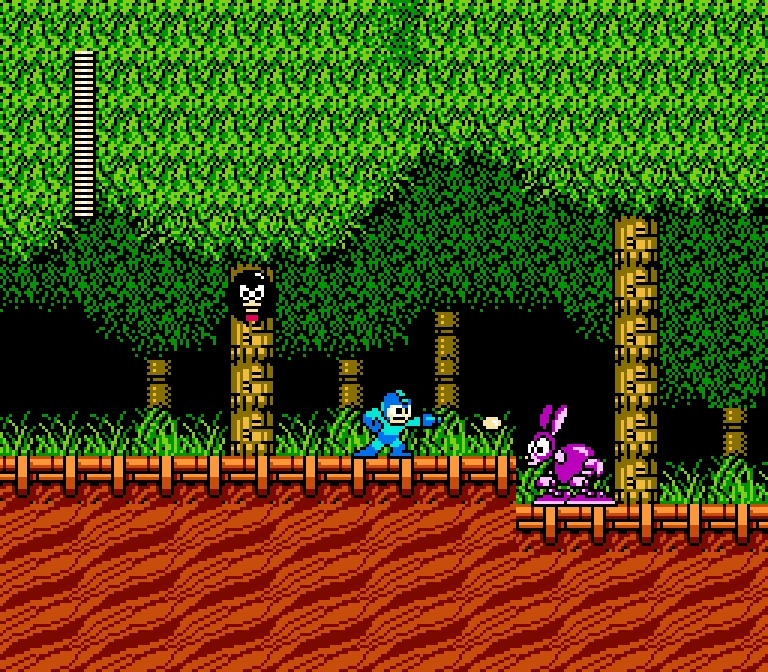
Wood Man’s stage. Kitamura commissioned its theme after hearing the Wily Castle piece — a driving minor-key track in a world of autumn leaves and ambush monkeys. Mega Man 2 · Capcom, 1988.
This is what the most celebrated video game music theme of its generation shares with you: it was never meant to run twice. If the cartridge had room for a second composition, the Wily Castle arc would sound different. That it doesn’t — that the theme lands so cleanly the second time it feels like affirmation rather than repetition — is a lucky accident of constraint. Tateishi later said the piece “would have ended up sounding very different” if memory had permitted it.
Friender at the end of Wood Man’s stage. The commissioned theme plays over the attack pattern, the weapon-first architecture testing you before the robot master does.
Kitamura directed the compositions emotionally rather than musically. Each stage was assigned a mood: urgency, coolness, danger. Tateishi’s first drafts tended toward what he described as “cute” — only Crash Man’s theme survived from that era, the one Kitamura left alone. The Wily Stage 1 theme was the first piece that matched what the game was trying to be: a driving minor-key momentum, something that felt like walking into something that might kill you. Kitamura liked it so much he commissioned a similar piece immediately; that commission became Wood Man’s stage theme. Tateishi composed Quick Man’s theme specifically to communicate urgency before the stage’s laser corridor had a chance to do it in other ways.
The ending theme uses only two of the Famicom’s three channels. Not for artistic effect — the data wouldn’t fit. The game closes with something technically incomplete, a three-channel instrument playing at reduced capacity. It sounds, by accident, like a long exhale after sustained tension, which is exactly the register a game’s final moments should occupy.
Japan Gave It Twenty-Eight
Famitsu scored Rockman 2 twenty-eight out of forty — a moderate score suggesting a solid sequel, but no revelation.
In North America, Nintendo Power treated it as an event. Issue 7, the July–August 1989 edition, ran Mega Man 2 on the cover with a sixteen-page guide inside — the kind of coverage that, in the pre-internet era of a single authoritative magazine, could collapse the distinction between promotion and journalism. By December, it was the top-ranked game on Nintendo Power’s Top 30 reader poll. It won the magazine’s 1989 awards for Best Graphics and Sound and Best Play Control, in a year it competed with Tetris.
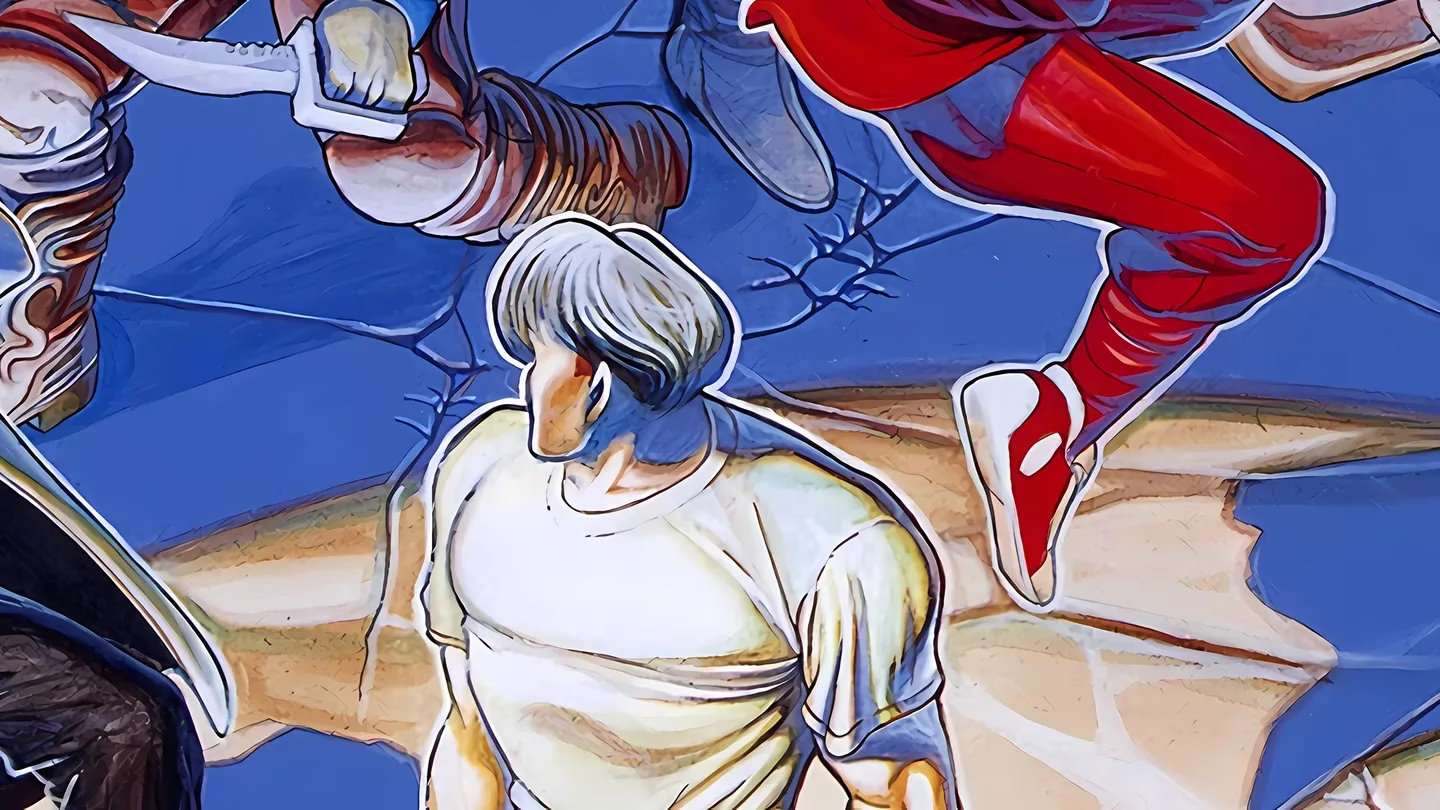
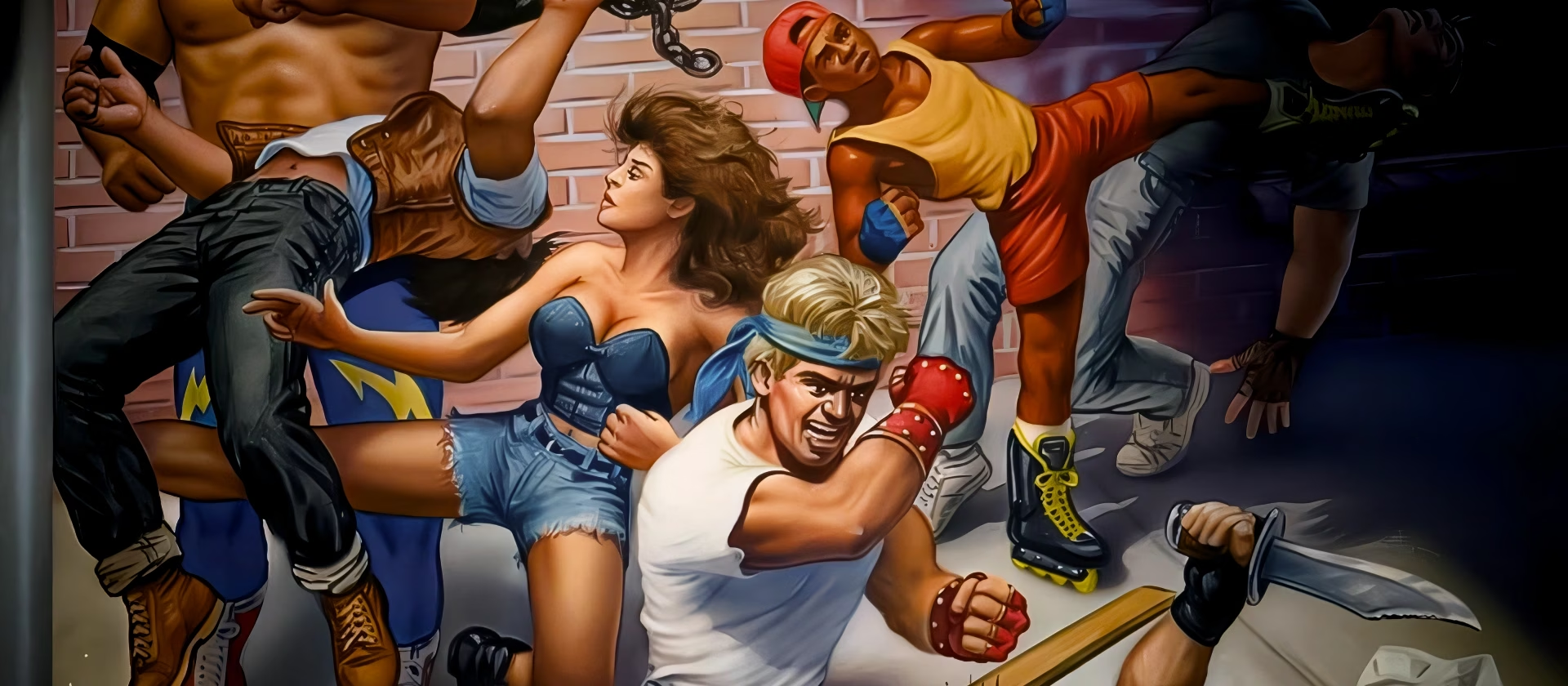
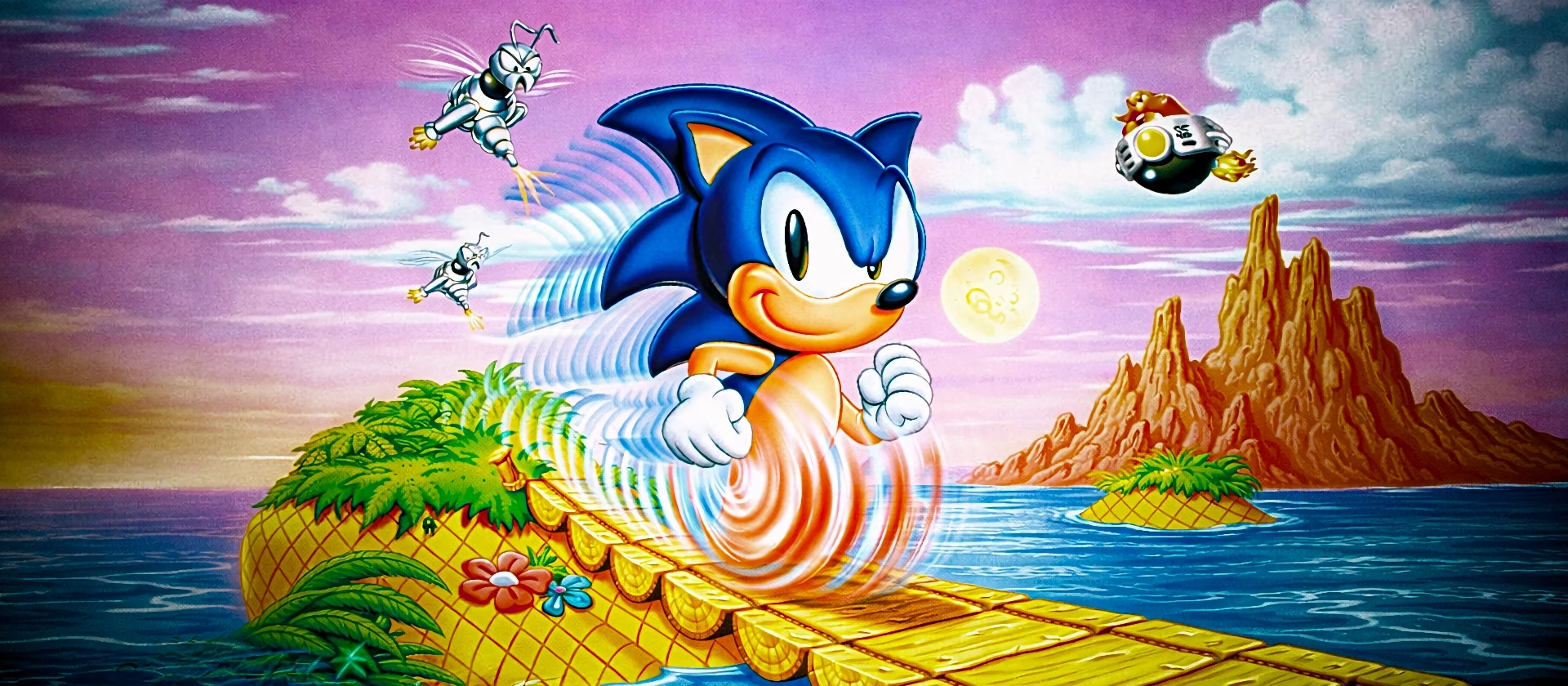
The same game wore four different faces on the shelf, each reflecting how its market understood the purchase.
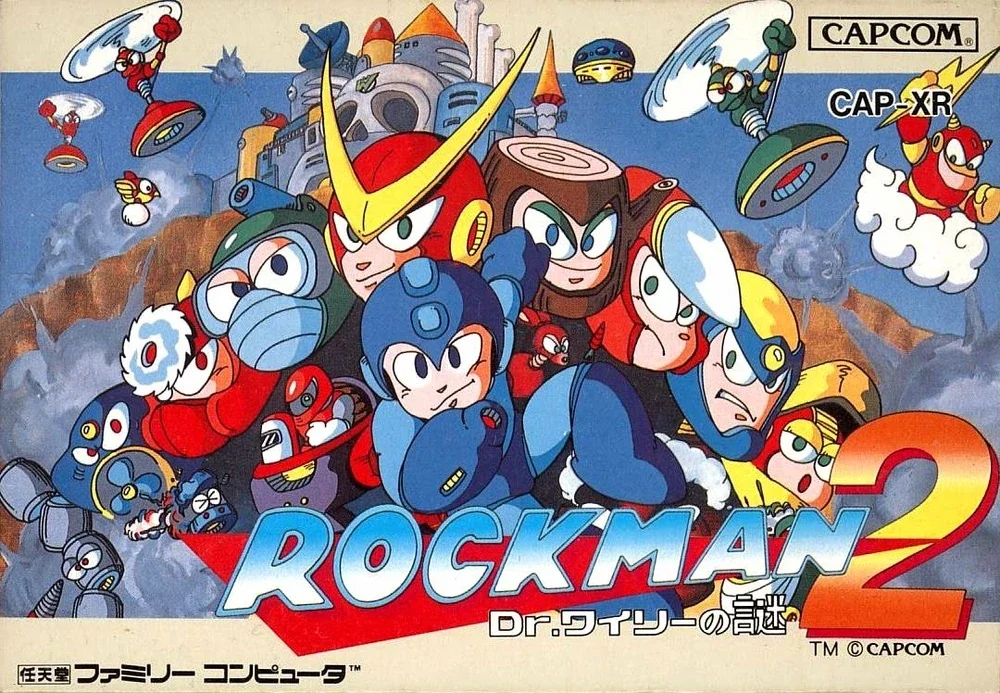
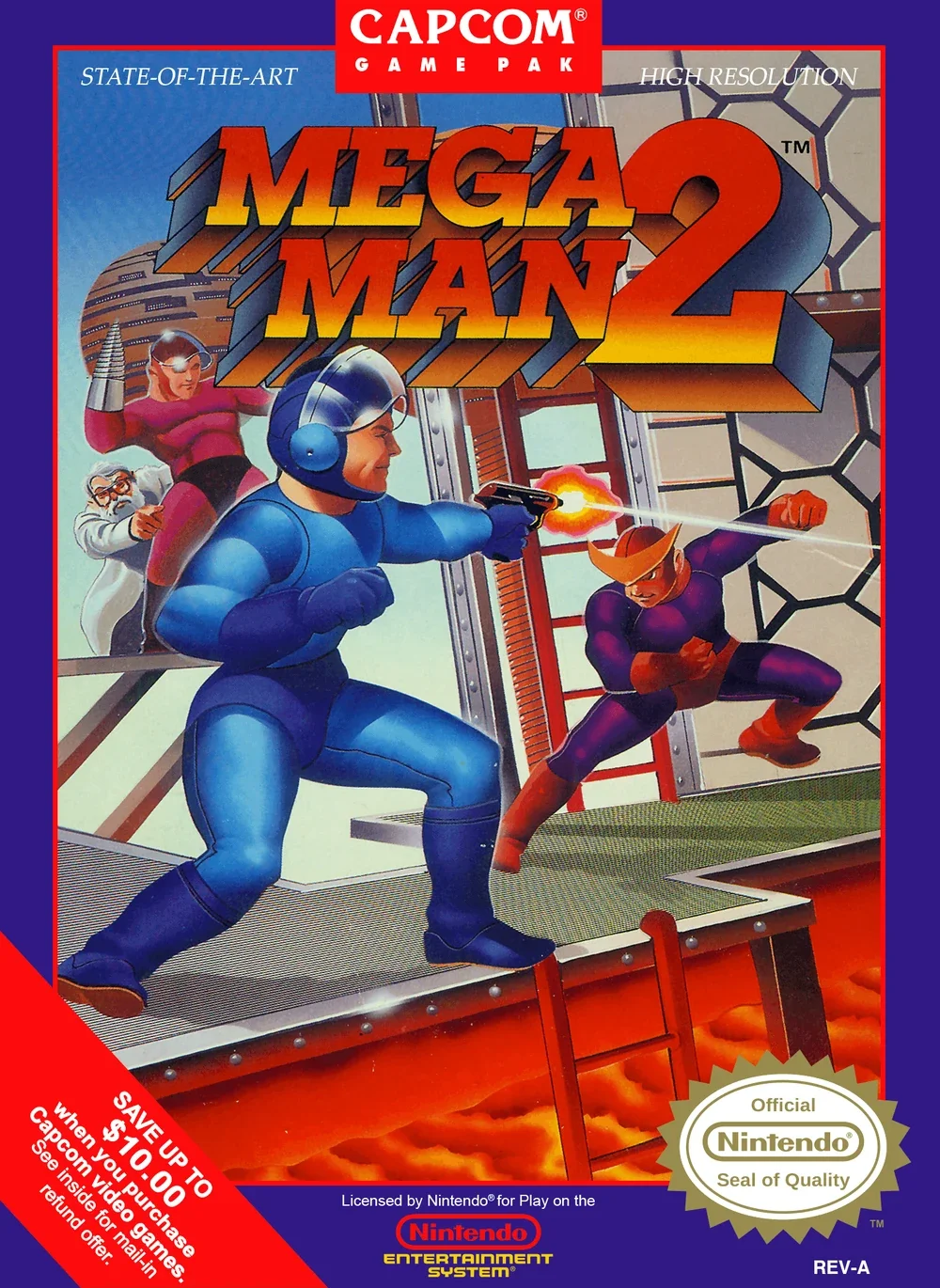
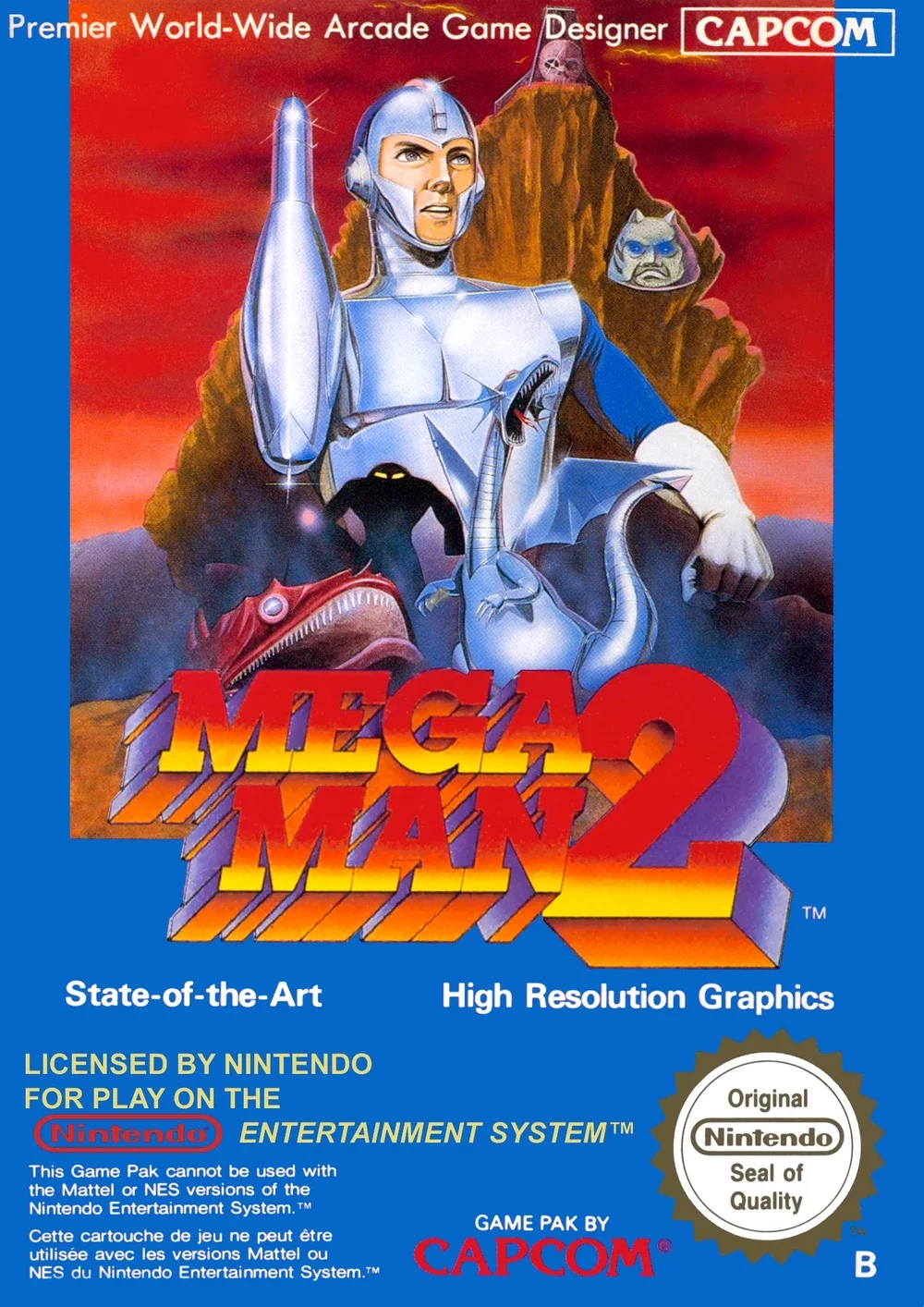
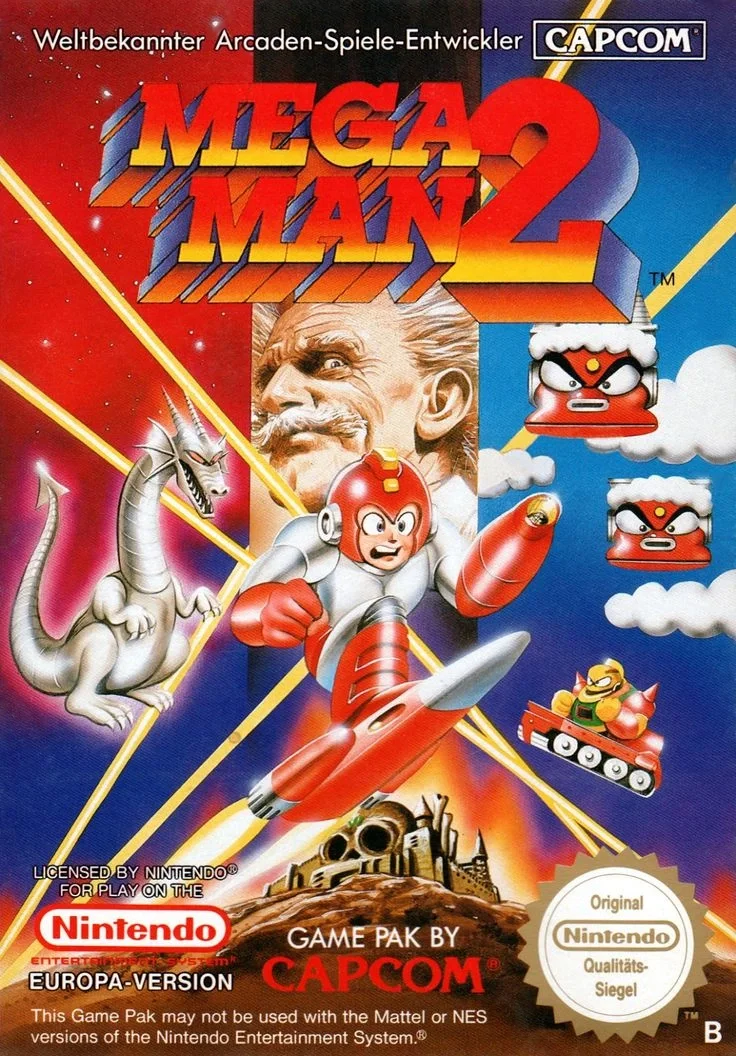
Japan knew the first Rockman as interesting but modest. America knew the second through Nintendo Power’s sixteen-page cover story, which declared it a masterpiece before most players had held the controller.
Neither Kitamura nor Tateishi knew the scale of what had been built in the West until long afterward. Tateishi has said he did not learn how widely celebrated the game was until roughly twenty years after its release — meaning the person who composed the most beloved music in NES history spent two decades unaware that it had reached people the way it had. The team had finished the game, sent it out, and moved on. No one at Capcom came to tell them what they had made. The legend grew on the far side of an ocean, in a country that had received it differently, through a magazine that understood — before the people who built the game did — what had landed in its pages.