For four years, Konami did not miss.
Between 1990 and 1993, the studio shipped the best four-player licensed brawler the arcade cabinet ever produced — TMNT IV, Sunset Riders, The Simpsons, G.I. Joe, Mystic Warriors, the closing salvo of Violent Storm — while a parallel line on the back wall carried that same arcade voice, intact, into the Super Famicom cartridge. Super Castlevania IV, Contra III, Axelay, Rocket Knight, Ganbare Goemon are not arcade ports. They are cartridge-native translations of the same craft logic, made by the only third-party studio that had figured out the SNES before the SNES had quite figured out itself. The thing that goes missing when these games are read one at a time is that they are one body of work. This Volume reads them as that.
The Cabinet Line Still Wins
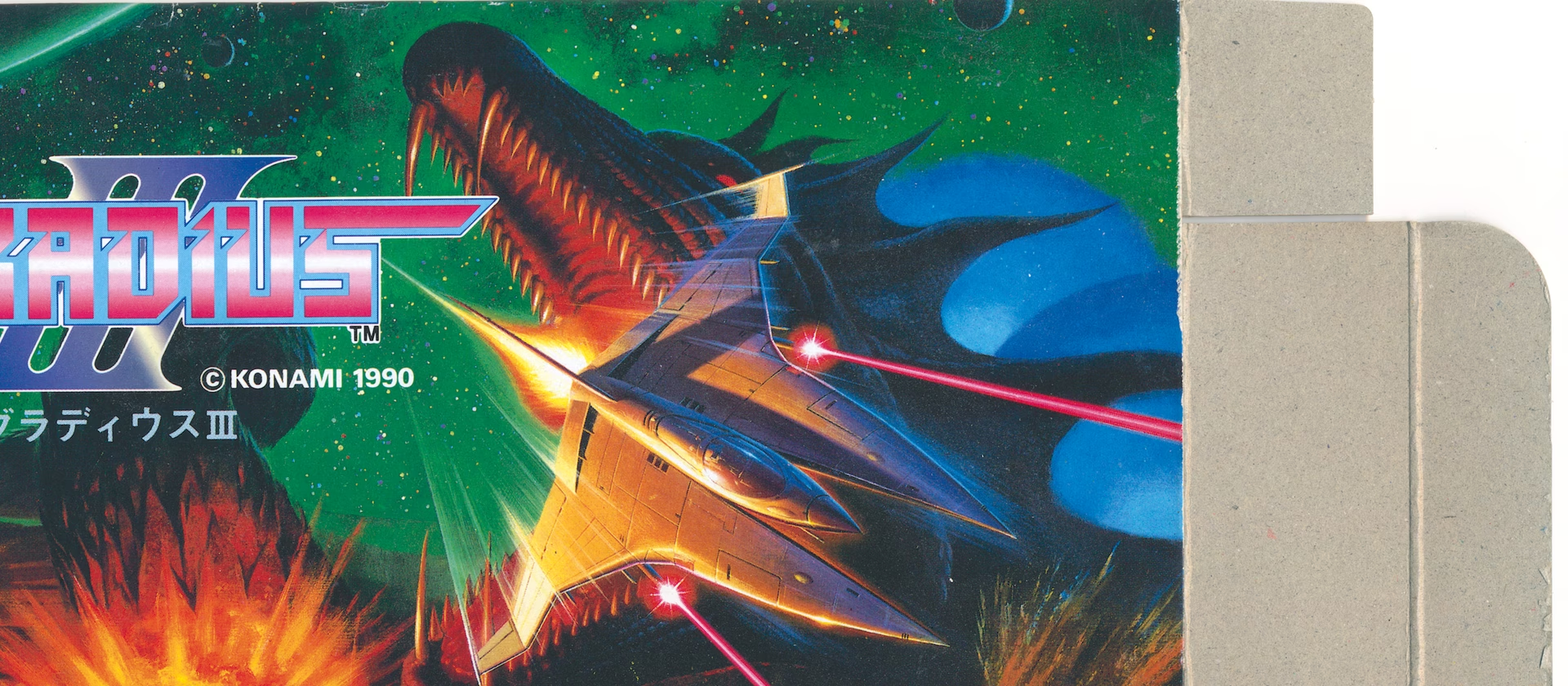
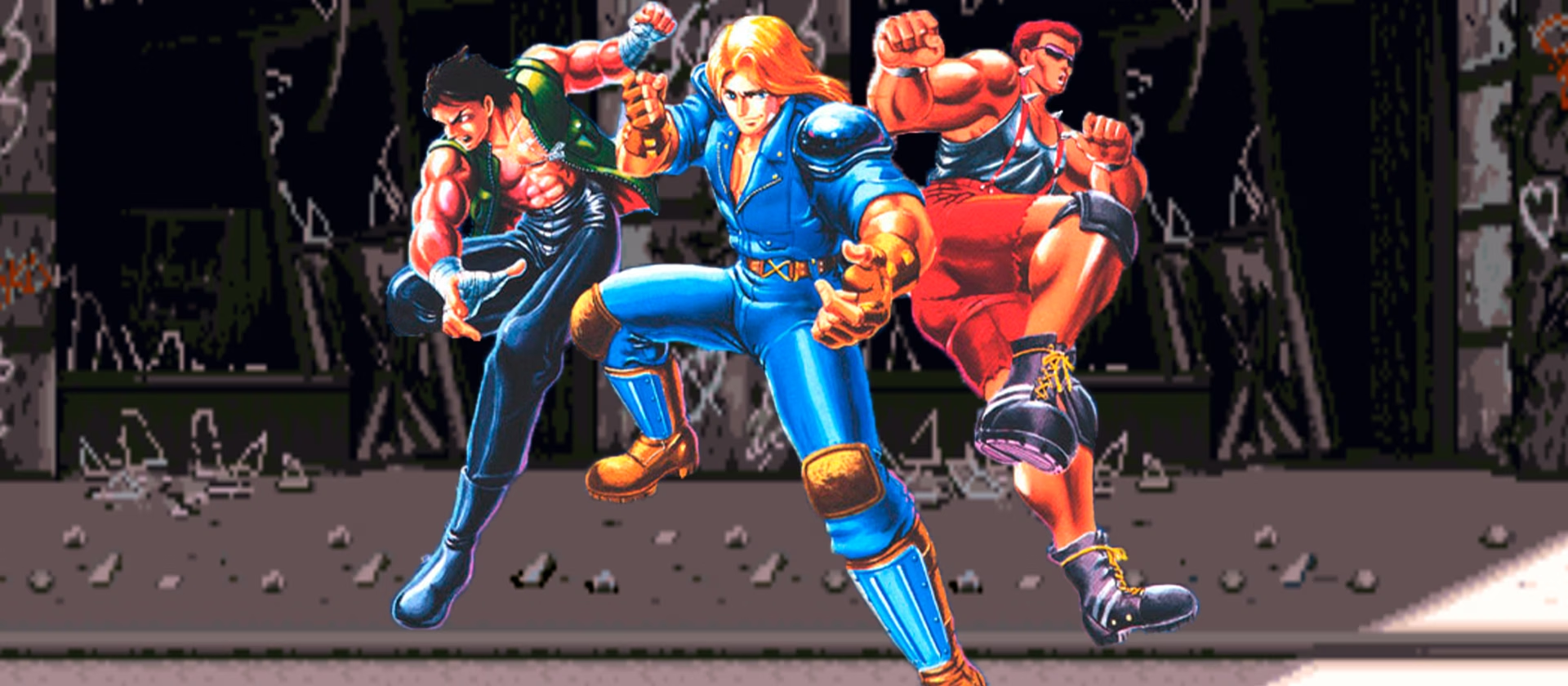
The cabinet thread runs the whole Volume. Konami’s coin-op division ended the 1980s with Gradius III on a board the team had built to retire the brand on, opened the new decade with Xexex in 1991 — a horizontal shooter that out-engineered most of Capcom’s CPS-1 catalogue on Konami’s own silicon — and spent the next thirty months running off the best painted-cabinet run in arcade history. The four-player licensed brawler — TMNT IV in 1991, Sunset Riders the same year, The Simpsons and G.I. Joe and Mystic Warriors across 1991 and 1992, Violent Storm as the late-1993 capstone — peaks in these four years and never quite comes back. The house style is visible from across the room: painted key art on the sideart, sprite work that out-detailed the SNES port it would later receive, choreography that lets eight enemies attack a four-player line without the screen losing its read. Violent Storm charted tenth in America in July 1994 and went home without a port. The cabinet was still drawing. The brand was being decided elsewhere.
The SNES Cartridge as a Cabinet Object
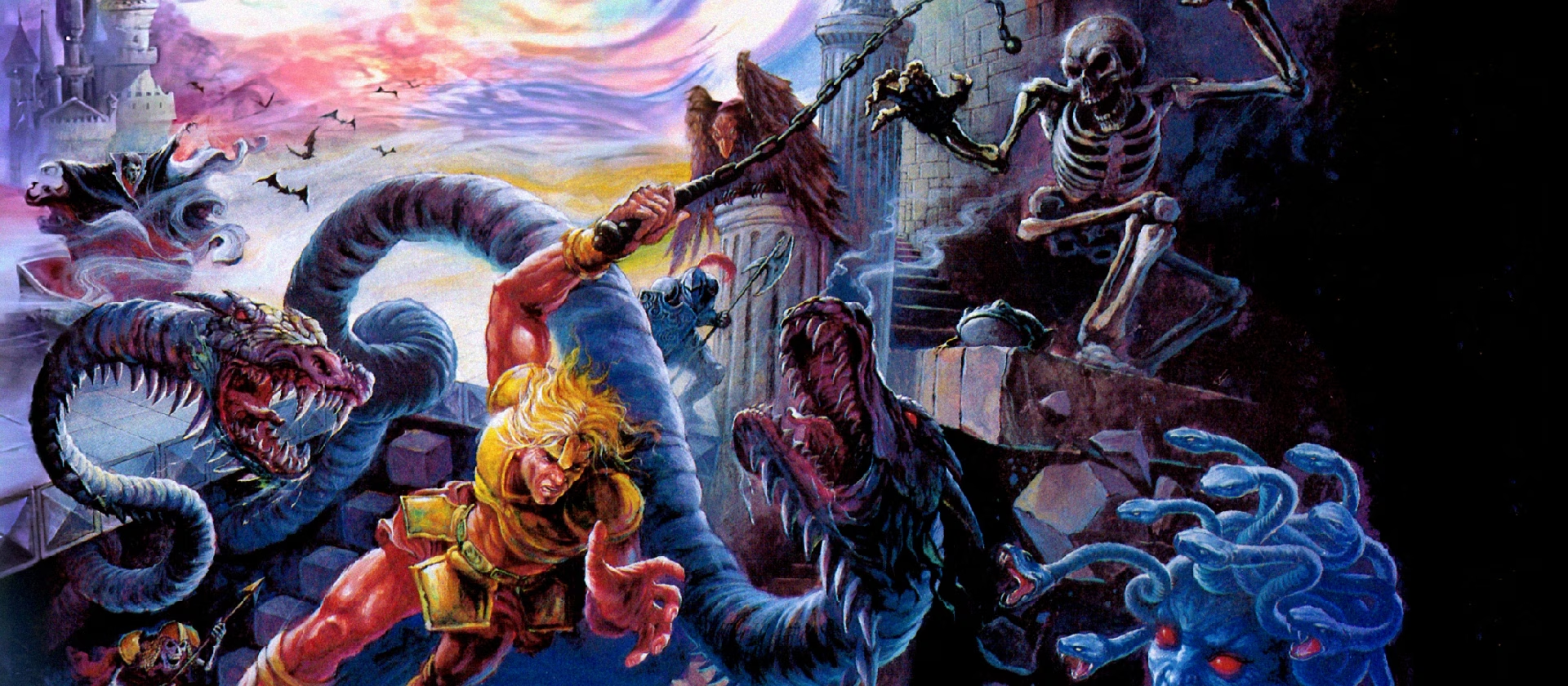
The translation thread is the harder argument. From the moment the Super Famicom shipped in November 1990 — Gradius III arriving as the system’s first showcase shmup eight weeks later, slowdown and all — Konami treated the cartridge as its own format. Super Castlevania IV in October 1991 reimagined a series whose home entries had been paced with coin-op rigour into a slower, longer, eight-axis whip-driven landmark. Contra III the following year built a third-person aerial set-piece on the same chip that ran the side-scroll. Axelay burned a Mode 7-and-back vertical scroller into the SPC700 that no other third-party had even attempted. Rocket Knight Adventures in 1993 closed the run with the cleanest single-cartridge platformer the studio would ever ship. None of these are ports. They are cartridge-native conversions of the same craft logic the cabinet floor was running — designed by people who had walked across the studio with the brief and built the SNES version on its own merits. The third-party SNES catalogue Konami filed between 1990 and 1993 is the deepest any third-party would build for any home console of the era. The cabinet voice translated. It did not transfer.
A Different Room on Optical Media
The auteur lab is the hidden inverse. While the cabinet was loudest and the SNES cartridge was selling, a back corridor of the same building was already on optical media. Snatcher CD-ROMantic — Hideo Kojima’s cyberpunk detective game, finally completed four years after the studio had forced him to cut it in half — shipped on the PC-Engine Super CD-ROM² in October 1992 as Konami’s first CD-ROM project. Rondo of Blood followed on the same format in October 1993 with the Castlevania the franchise still measures itself against: Red Book audio, anime cutscenes, two playable characters, the cabinet voice translated into the optical disc the cartridge division had no use for yet. Five years before Metal Gear Solid, the Konami capable of Metal Gear Solid was already operating. It just was not the visible Konami of the cabinet or the cart. The third thread of this Volume is the recognition that the studio’s coming decade was already being scored in 1992, on equipment most of the building had never touched.
How to Read This Volume
The nineteen pieces that follow read as one body of work because they were one. Three threads — the coin-op cabinet at its painted peak, the SNES cartridge at its third-party deepest, the optical disc at its auteur earliest — all run out of the same studio in the same months. The arcade Gradius III opens the Volume because it carries the seam: arcade-to-cartridge in eight weeks, the cabinet voice handed to the living room. Violent Storm closes the cabinet line. Rondo of Blood closes the disc one. Between them sits the run that, for four years, simply did not miss. The brawlers ask for quarters more than patience; the SNES cartridges are short by modern standards; Snatcher’s Act 3 collapses into what Kojima himself called a digital comic. None of that thins the body. It just names what the work is. Read the pieces in any order. The argument the Volume makes will land either way.